
Why Product Grouping Matters More Than the Number of Shelves
Customers Need to Understand What They Are Looking At
A store can have plenty of shelving and still make shopping harder than it needs to be. Products might be neatly arranged, labels facing forward, and every shelf properly stocked, yet customers still struggle to find what they want. Often, the problem is not the fixtures themselves but how the merchandise has been grouped.
Good product grouping helps customers understand the range without having to examine every item individually. It also makes it easier for staff to replenish stock and notice when something is missing.
This becomes particularly important in stores selling several variations of similar products, where a little organisation can make a big difference.
Give Each Section a Clear Purpose
Before arranging merchandise, decide what each shelf or section is meant to achieve. Products might be grouped by type, size, colour, price, or intended use. The right approach depends on what customers are likely to compare when making a purchase.
For example, a homeware shop might group products by room or function, while an accessories retailer may organise items by category and then separate them by style. The arrangement should reflect how people actually shop rather than simply following the order in which stock arrives.
Glass display shelving can be useful for creating these distinct product groups without making the fixture visually overpower the merchandise. Its relatively unobtrusive appearance allows products to remain visible, which can help when displaying several related items in a limited area.
The shelving itself, though, cannot fix a confusing assortment. That comes down to deciding what belongs together and making the arrangement consistent.
Make Comparisons Straightforward
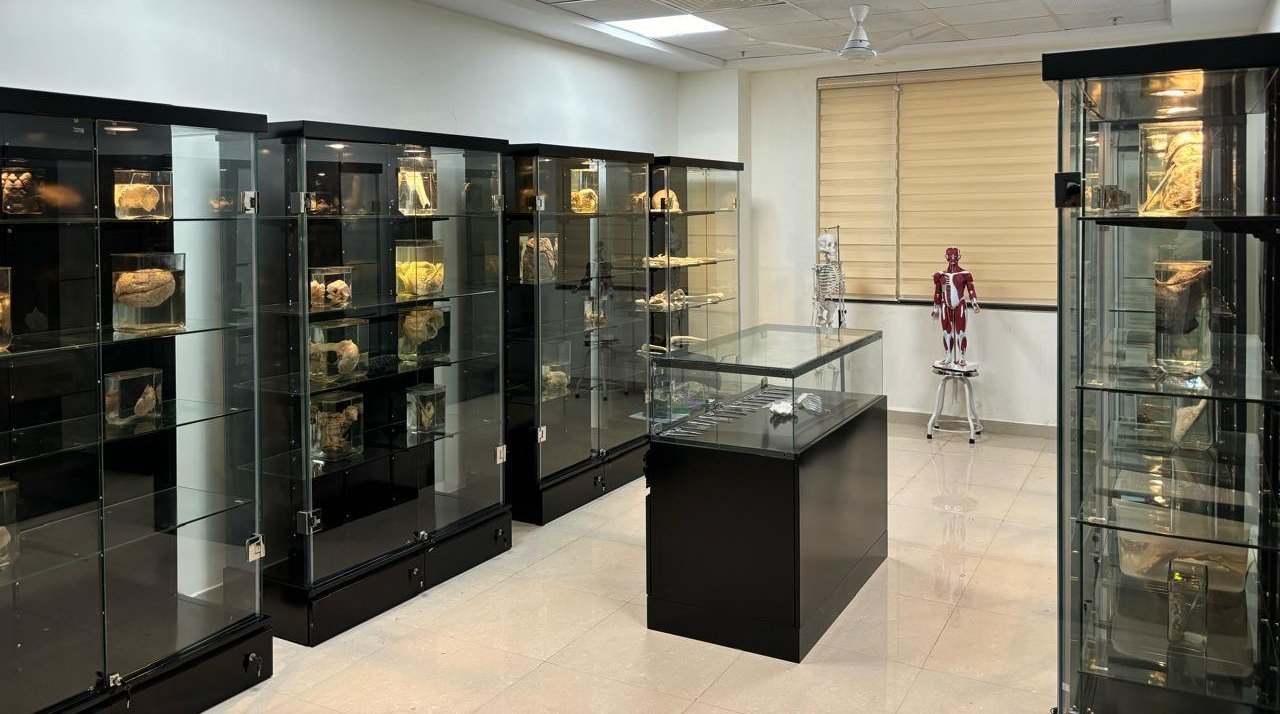
Customers often want to compare several products before deciding which one to buy. If similar items are scattered across different parts of a display, they have to keep moving back and forth to see the differences.
Keep comparable products close together wherever practical. Variations in size, colour, material, or price should be easy to identify, with labels positioned where shoppers can read them without picking everything up.
There is no need to display every possible variation at the front if stock is limited. A representative selection can work, provided customers can understand the options and staff can retrieve alternatives when needed.
Leave Enough Room for the Merchandise
Shelving should suit the products rather than force them into an awkward arrangement. Large items need enough clearance to be seen properly, while smaller merchandise may need trays, dividers, or other organisers to stop the display looking scattered.
Avoid filling every shelf simply because the space is available. When products are packed too tightly, customers may overlook individual items or struggle to remove something without disturbing the rest of the display.
On the other hand, spreading a small amount of stock across too many shelves can make the range look incomplete. The aim is to find a sensible balance between variety and space.
Keep Replenishment Simple
Product grouping should make daily work easier as well as improve the customer experience. When each category has a consistent location, staff can refill shelves more quickly and spot gaps without checking the entire fixture.
It also helps to consider stock rotation and product changes. If a new range arrives, can it fit into the existing layout without forcing staff to rearrange everything? If one category sells much faster than another, is there enough flexibility to adjust the space it receives?
These questions are worth answering before a display becomes difficult to manage.
Review the Arrangement Regularly
A product layout that works well at first may become less effective as stock levels and customer preferences change. Watch which items customers pick up, which sections regularly become untidy, and where products tend to run out first.
Make adjustments based on those observations instead of assuming the original arrangement must stay in place.
A useful display is not just one that looks organised on opening day. It should help customers find and compare products while making the store easier to maintain. Clear grouping, appropriate shelf spacing, and a little flexibility often achieve more than simply adding extra shelving.